
Shower Door Cost in Redmond, OR
Our Trusted Vendors
10+
Years of
experience
What Your Shower Door QuoteShould Include
Shower Door Pricing
Last updated: October 2026
Shower door cost in Redmond, OR typically runs from about $900 for a basic framed or semi frameless door to $2,500 or more for a standard frameless door, and $4,000 or more for large, heavy glass or steam enclosures. These are typical estimates. Your final price is set after an in home measure.
A shower door looks like a simple purchase until you start collecting quotes and find the numbers differ by a thousand dollars or more. The difference is almost never random. Glass thickness, clarity, coatings, hardware, the number of panels, how out of square your walls are, and what has to be removed all feed into the total. This guide explains each piece in plain terms so you can compare quotes fairly and spend where it counts.
Glass Daddy Redmond has 10+ years of experience installing shower glass across Redmond, Sisters and Prineville. If you want the complete overview of every style first, start with ourshower door installation in Redmondguide, then come back here for the money side.
-
![Electrical Install at Open space]()
-
![Electrical Install at Office]()
-
![A large, white, multi-story building featuring classical columns, a triangular pediment, and a grand entrance with stairs.]()
Recent Projects
Contact UsEvery project comes with its own needs and challenges. Tell us your priorities, and we'll fill them to your satisfaction.
-
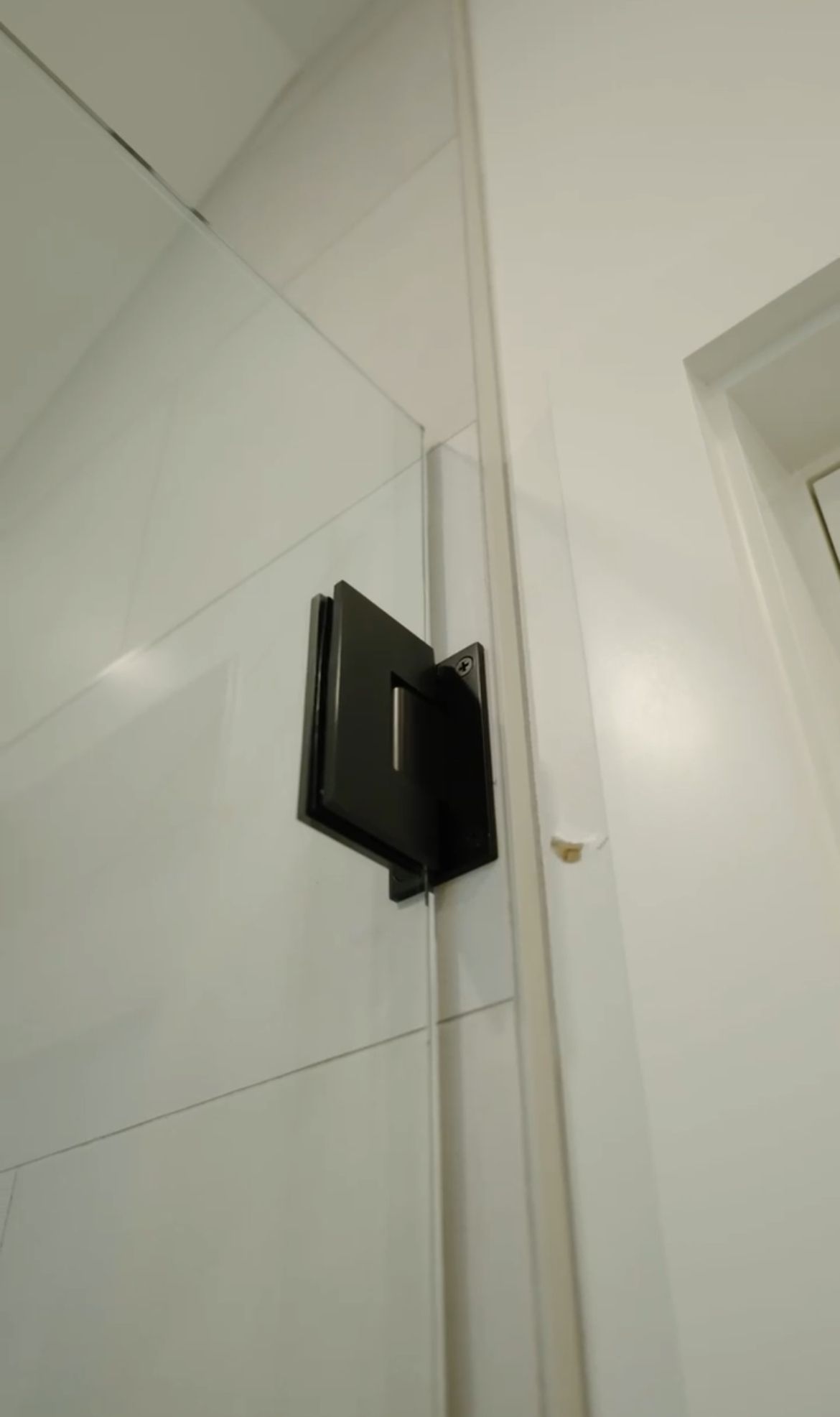
![A black metal hinge attaches a glass shower door to a white tiled wall in a bathroom.]()

Typical Shower Door Prices in Central Oregon
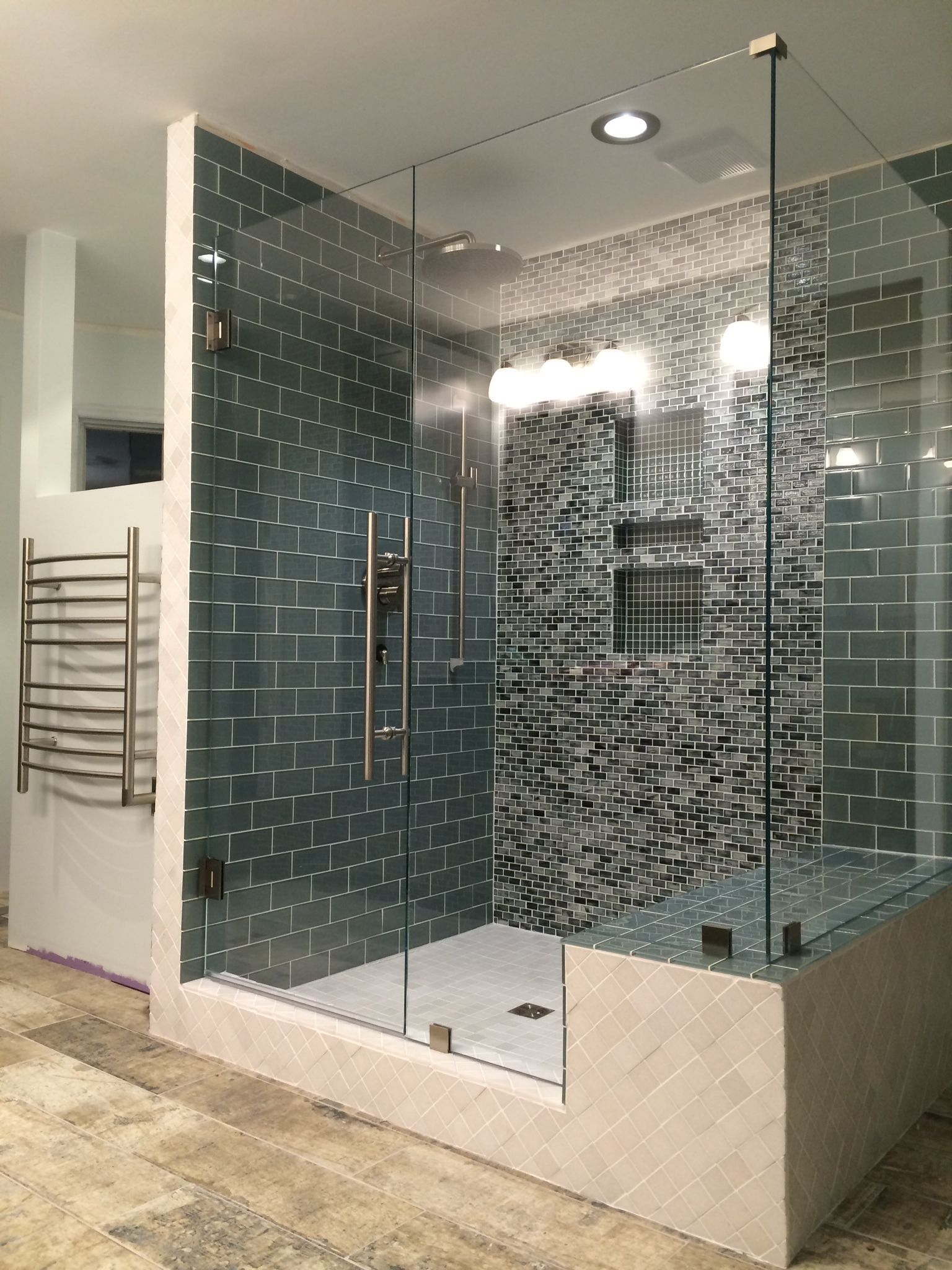
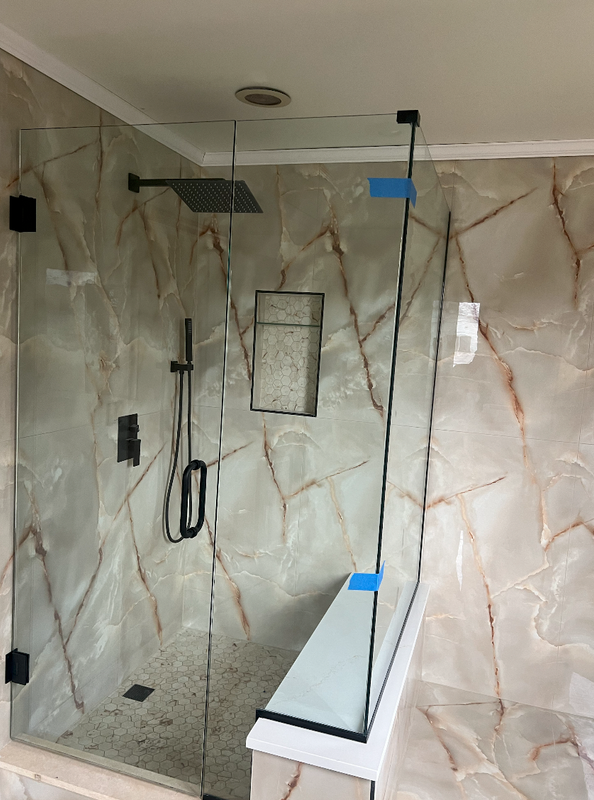
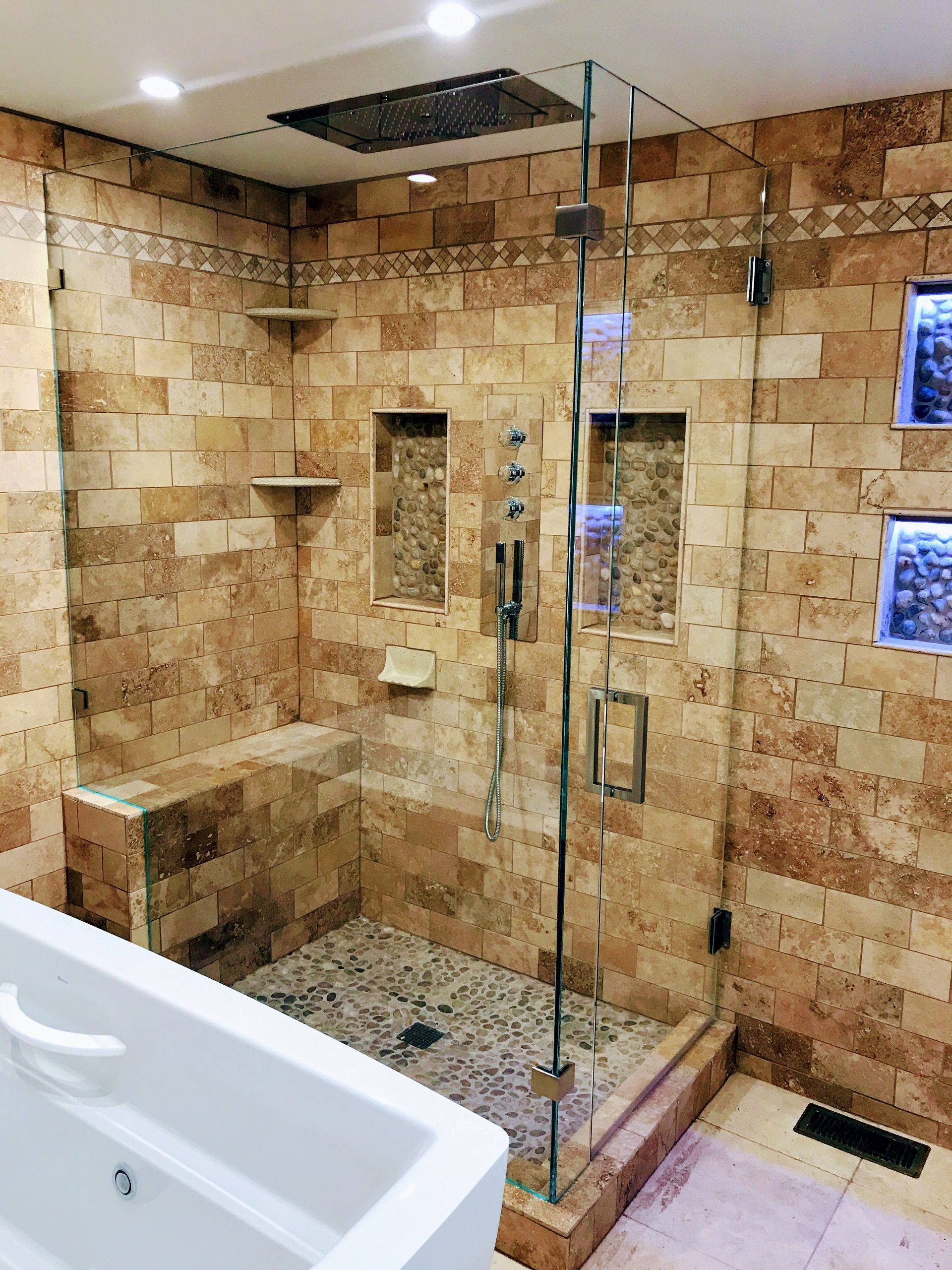
Most Central Oregon homeowners spend between $900 and $4,000 on a shower door, depending on style and glass. Framed and bypass doors sit at the low end, standard frameless doors in the middle, and large custom enclosures at the top. A firm figure needs an in home measure.
Use these ranges as a starting point, not a promise. They are conservative estimates for supply and installation of tempered glass in our area:
- Framed or semi frameless bypass door: about $900 to $1,600
- Standard frameless hinged door with a fixed panel, 3/8 inch clear glass: about $1,500 to $2,500
- Frameless door with premium choices such as 1/2 inch, low iron and a coating: about $2,500 to $4,000
- Neo angle or corner enclosure: about $1,800 to $4,500
- Frameless tub enclosure: about $1,200 to $2,800
- Full height steam enclosure with transom: about $3,000 to $7,000 or more
Prices change with the market, especially for glass, aluminum and brass hardware. A quote is normally good for a limited window, so ask how long it stays valid.
Where a job lands in the range comes down to the choices covered below. None of them is a trick. Each one has a real cost behind it, and most of them are optional.
What Drives Shower Door Pricing
Five things drive most of the price: the amount of glass, the thickness and clarity of that glass, the hardware, the complexity of the cuts, and the labor to remove and install. Understanding these five lets you decide which upgrades are worth paying for.
Size comes first. Glass is priced by the square foot, so a wide walk in with two panels and a door uses far more material than a narrow alcove door. Height matters too. A door cut to the ceiling costs more than a standard height door.
Next comes the number of pieces. Each additional panel adds glass, hardware and a joint to seal. A door with a return panel and a header is simply more work than a single hinged door, even if the glass area is similar.
Then come the quality choices, which are the ones you control. Thickness, clarity, coating, hardware and finish are all selections. They can swing the price by a few hundred dollars each, so the sections below put numbers beside them.
Finally there is labor. Installing a frameless door requires careful leveling, drilling accuracy in the tile or stone only where the plan allows, and clean silicone work. A plan that adds removal of an old door, repairs to a damaged curb or glass that needs a crane style lift for a large panel will add time.
Glass Thickness: 3/8 Inch Versus 1/2 Inch
Three eighths inch tempered glass is the common standard for frameless showers, while 1/2 inch glass is a heavier premium option that typically adds a few hundred dollars. The right thickness depends on door size, hardware ratings and how solid you want the door to feel.
Half inch glass weighs about a third more than 3/8 inch. That weight changes everything around it. Heavier glass needs hinges with a higher load rating, stronger clamps and sometimes a support bar on large panels. So the extra cost is not only the glass. It also includes the upgraded hardware that the glass requires.
For most Central Oregon bathrooms, 3/8 inch is the better value. It is strong, widely available and comfortable on standard hinges. We usually recommend 1/2 inch in three situations: tall doors that run close to the ceiling, wide single panels, and customers who want the substantial look of thick glass with a polished edge.
Glass thinner than 3/8 inch, usually 1/4 inch, appears mostly in framed and semi frameless units. Thin glass is not weaker in a way that makes it unsafe, since it is still tempered, but it relies on its metal frame for rigidity. A true frameless design should not be built on thin glass.
Whichever thickness you choose, glass must be tempered safety glass that meets ANSI Z97.1 and CPSC 16 CFR 1201 requirements. Any quote that does not state tempered glass should be questioned.
Clear Versus Low Iron Glass
Low iron glass costs more than standard clear glass, often adding roughly 20 to 40 percent to the glass portion of the quote. It removes the green tint of regular glass, so white tile, light stone and brushed hardware look truer through the door.
Regular clear glass contains iron oxide, which gives it a faint green cast. You will see it most clearly when you look at the cut edge. Many people never notice it on a thin pane. On thick glass it becomes more visible, and in a bright bathroom with white subway tile it can make the tile look slightly cool.
Low iron glass, sometimes sold under names such as ultra clear, is made with far less iron. The result looks colorless from the face and the edge. It is the glass we suggest when the shower is the focal point of the room, or when the glass runs the full width of the wall.
Is it worth the money? If your tile is warm, dark, or heavily patterned, the difference is small, and clear glass is a fine choice. If your tile is white or pale, or the bathroom gets a lot of natural light, low iron is the upgrade people most often say they are glad they made.
One practical note: low iron glass often has a longer lead time because suppliers stock less of it. Ask when you order so the schedule is realistic.
Coatings That Resist Hard Water Spotting
A protective glass coating typically adds about $100 to $350 to a shower door and makes hard water minerals bead and rinse away more easily. It does not remove the need for cleaning, but it greatly reduces how hard you have to scrub.
Hard water is the single biggest complaint we hear about shower glass in this part of Oregon. Calcium and magnesium dry on the surface as white spots. On untreated clear glass, those spots can etch into the surface over time and become permanent.
Factory applied coatings are different from products you spray on yourself. They are bonded to the glass during manufacturing and are designed to last for years of normal use. Water forms tight beads, runs off faster, and leaves less behind. Soap film also wipes away with a soft cloth.
Some points to confirm when you compare quotes:
- Is the coating applied to one side or both sides of the glass?
- Is the coating a manufacturer product, and what care does the maker recommend?
- Does the warranty depend on using only certain cleaners?
Even with a coating, a quick squeegee after showers is the best habit you can build. It costs nothing and does more than any product. Avoid abrasive pads and harsh powders, which can scratch glass and wear coatings.
Frosted or acid etched glass is a separate path to a lower maintenance look, and it can hide spots better than clear glass, though it too needs regular cleaning.
Hardware Finishes and Quality
Hardware accounts for a large share of a frameless door price. Chrome and brushed nickel are usually the lowest cost finishes, while matte black, polished brass and specialty finishes can add roughly $100 to $400. Hinge quality matters more than finish.
Hardware is the part you touch every day, so it earns attention. A frameless door needs hinges, a handle or pull, clamps for any fixed panels, a header or support bar where required, and seals along the edges. Each item is available in several grades.
Finish is mostly a style decision, and price follows how hard a finish is to produce. Chrome is the baseline. Brushed nickel is close behind and hides water spots better. Matte black is trendy and often priced higher, and it can show hard water deposits as white marks, so plan to wipe it down. Brass and bronze finishes tend to cost the most.
Quality is where we would not cut corners. A hinge must carry the glass weight for years without sagging. Heavier doors need heavier hinges. Solid brass or stainless hardware resists corrosion better than plated zinc parts in a wet room. When a quote looks very low, the hardware is often the reason.
Matching finishes is a design choice. Many homeowners match the door to the showerhead and faucet. If you are mixing finishes on purpose, such as a black handle on a chrome fixture bathroom, tell us early so the hardware order is correct.
Door Configuration and Number of Panels
Configuration changes cost because it changes how much glass, hardware and labor go into the job. A single hinged door is the least expensive frameless layout, while a door with panels, returns, a header or a corner design increases cost step by step.
Think of configuration in layers:
- Single hinged door in an alcove: the simplest and lowest cost frameless layout
- Door plus one fixed panel: the most common arrangement for a standard walk in shower
- Door plus panel plus return: adds glass and a second joint, useful for splash control
- Two fixed panels with a center opening: a true walk in design, which costs more in glass but removes door hardware
- Neo angle or corner: angled panels need exact cuts and more clamps
- Sliding bypass: two panels plus a track system, a different cost structure than hinged glass
A walk in design with no door can look like a bargain because it has no hinges, yet the panels are larger and the glass bill is higher. A good plan is to ask for pricing on two layouts and compare. Our custom shower enclosures in Redmond page shows how walk in, corner and steam layouts differ, and the frameless shower doors in Redmond page describes door styles in detail.
Tub enclosures sit in their own price category. They tend to be smaller than full showers, but the tub rim is often out of level and needs careful scribing. See bathtub glass enclosures in Redmond for what that involves.
Custom Cuts, Old Door Removal and Out of Square Walls
Custom cuts add cost because tempered glass cannot be altered after it is made. Notches, clipped corners, angled tops and out of square corrections all have to be specified before fabrication, and they usually add roughly $50 to $200 each depending on complexity.
Many bathrooms in Central Oregon are not perfectly square. Older ranch homes in Redmond, Sisters and Prineville have walls that lean and curbs that have shifted. Even newer subdivisions have tile jobs that drift a quarter inch over the height of the wall. A standard stock door does not follow these differences, which is why it leaks and leaves gaps.
When we measure, we check plumb and level at several heights. The glass is then cut to follow the actual wall, with the gap closed by a seal or silicone. A truly out of square opening may need an angled cut or a slightly different hinge placement.
Common custom items that show up on quotes include:
- Notches for a bench, knee wall or ledge
- Clipped corners where glass meets a curb or niche
- Angled or sloped tops for attic showers and under stair bathrooms
- Cutouts for a fixed shower head, valve or handheld holder
- Extra tall or extra wide glass beyond standard sizes
Ask for each of these to be written into the quote. A cut added after fabrication means a new piece of glass, and a new piece of glass means paying twice.
Removal and Disposal of Old Shower Doors
Removal and disposal of an old shower door typically adds about $75 to $250, depending on the size, the type of door and how well it was mounted. Heavy old glass, or a door with silicone and caulk that has to be scraped off the tile, takes longer.
An old framed door is relatively quick to take out, though the metal channel is often glued to the tile with years of silicone and soap scum. An old heavy frameless door is another story, since a large pane can be awkward and dangerous to handle. Removal done correctly protects your tile, your tub and your floor.
Bring up removal when you request a quote, because some contractors include it and some list it separately. If you plan to take the old door out yourself to save money, be careful. Tempered glass can fail suddenly if the edge is chipped, and the pieces can scatter. For most people, letting a professional handle removal is the safer path.
Also ask what happens to the surface behind the old frame. Taking out a framed door can reveal drill holes, stained grout or a damaged threshold. Repairs are not usually part of a standard installation price, so it helps to know early.
How to Read a Shower Door Quote
A good shower door quote lists the glass thickness, the type of glass, the coating, each piece of hardware with its finish, the layout, the removal work, the installation labor and the total, so that two quotes can be compared line by line.
When a quote shows only a single number, you cannot tell what you are getting. Here is what to look for.
- Glass: thickness (3/8 or 1/2 inch), clear or low iron, tempered, and any pattern or tint.
- Coating: named and stated for one or both sides.
- Layout: door width, panel widths, return panel, header, height.
- Hardware: hinge model and rating, handle style, clamps and seals, with the finish named.
- Custom work: notches, cutouts, angles, written line by line.
- Removal: included or not, and disposal.
- Installation: who performs it, and whether silicone and sealing are included.
- Lead time: stated as a range.
- Total, taxes and the deposit schedule.
Red flags are easy to spot once you know them. Missing thickness, a vague phrase such as "standard glass," no mention of tempering, an unnamed hardware brand, or a price that is far below every other quote. A low price with unclear details usually becomes a higher price later.
Compare the same configuration across companies. A quote for a 3/8 inch door with a panel is not comparable to a 1/2 inch walk in design. Ask each company to price your top choice the same way so the numbers mean something.
When you have a quote that you trust, you can price your own design with our shower builder tool and bring the results to a measure.
Ways to Control Cost Without Lowering Quality
You can lower shower door cost by choosing 3/8 inch clear glass, keeping the layout simple, using a standard finish, and finishing the tile before the measurement. Spend on hinges and installation quality, and save on options that you will not notice daily.
Here is the order we suggest to customers who want the best value:
- Keep the thickness at 3/8 inch unless the door is very tall or wide.
- Choose low iron only if your tile is light or the glass is the focal point.
- Pick the coating, because it saves time on cleaning for years.
- Choose chrome or brushed nickel to stay at the lower end of finish pricing.
- Pick the simplest layout that controls splash, rather than adding extra panels.
- Have the tile and pan finished and cured before we measure, so the glass fits the first time.
- Ask about removal at the start, so it is part of one clean price.
Skipping quality hinges, or cutting the sealing work, saves a little now and costs more later. A door that sags or leaks is the most expensive door you can buy.
Finally, timing helps. Glass and hardware lead times stretch when the market is busy, so planning ahead lets us order without a rush and keeps your remodel on schedule. You can see finished work on our see our work page to get a sense of what each level looks like.
Get an Exact Shower Door Quote
The fastest way to turn a price range into a real number is a free measure. Call (541) 527-7080 orrequest a free estimateand we will come out to your home in Redmond, Sisters or Prineville. If you are comparing prices across the area, see ourRedmond glass servicespage for how we work with local homeowners.
What our customers have to say...
Testimonials
Frequently Asked Questions
These are the pricing questions we hear most from Redmond homeowners about shower doors. For answers on other glass projects, browse ourCentral Oregon glass questions and answers.
How much does a frameless shower door cost in Redmond, OR?
A standard frameless shower door in Redmond usually costs about $1,500 to $2,500, installed. Larger doors, 1/2 inch glass, low iron clarity, coatings and premium hardware can push that to $4,000 or more. These are typical estimates, and the final price is set after an in home measure.
Why do shower door quotes vary so much?
Quotes vary because glass thickness, clarity, coatings, hardware grade, number of panels, custom cuts and removal work all differ. Two prices may describe very different doors. Ask each company to list the same specifications, then compare line by line instead of looking only at the total.
Is 1/2 inch glass worth the extra cost?
Half inch glass is worth it for tall doors, wide panels or when you want a heavier, more premium feel. For most standard showers, 3/8 inch glass performs very well at a lower cost. Remember that heavier glass also requires stronger hinges, which is part of the added price.
Does low iron glass cost a lot more?
Low iron glass typically adds roughly 20 to 40 percent to the glass portion of the quote. It is most noticeable with white tile and thick glass, where regular clear glass shows a green tint. With dark or warm tile, many homeowners find standard clear glass perfectly good.
Does a glass coating really stop hard water spots?
A protective coating helps water bead and roll off, so mineral spots form less often and wipe away faster. It does not make glass maintenance free. Squeegeeing after showers and using a gentle, non abrasive cleaner keeps the coating working longer, especially with Central Oregon hard water.
Is shower door removal included in the price?
Not always. Some quotes include removal and disposal of the old door, and others list it separately, typically around $75 to $250. Ask when you request a quote, and confirm whether any repair to the curb or tile behind the old frame is included.
Can I get a firm price without a visit?
You can get a rough range from photos or from our online builder, but a firm price needs an in home measure. Walls, curbs and tile are rarely perfectly square, and those details change the glass cut and the hardware. We measure at no charge as part of your estimate.
What is the cheapest way to get a quality shower door?
Choose 3/8 inch clear tempered glass, a simple layout, and a standard finish like chrome or brushed nickel, and put your budget into good hinges and professional installation. Skipping cheap framed kits with thin hardware usually saves money over the life of the door.
Get In Touch With Glass Daddy Redmond
Ready for a custom frameless shower door or enclosure? Call (541) 527-7080 or request your free estimate today and we will schedule your in-home measure.