
Vinyl vs Fiberglass Windows in Central Oregon
Our Trusted Vendors
- The window frame is rotted or damaged
- Your windows don’t open or close properly
- You want to change the size or style of your window
- You’re dealing with drafts or rising energy bills
It’s the best option when:
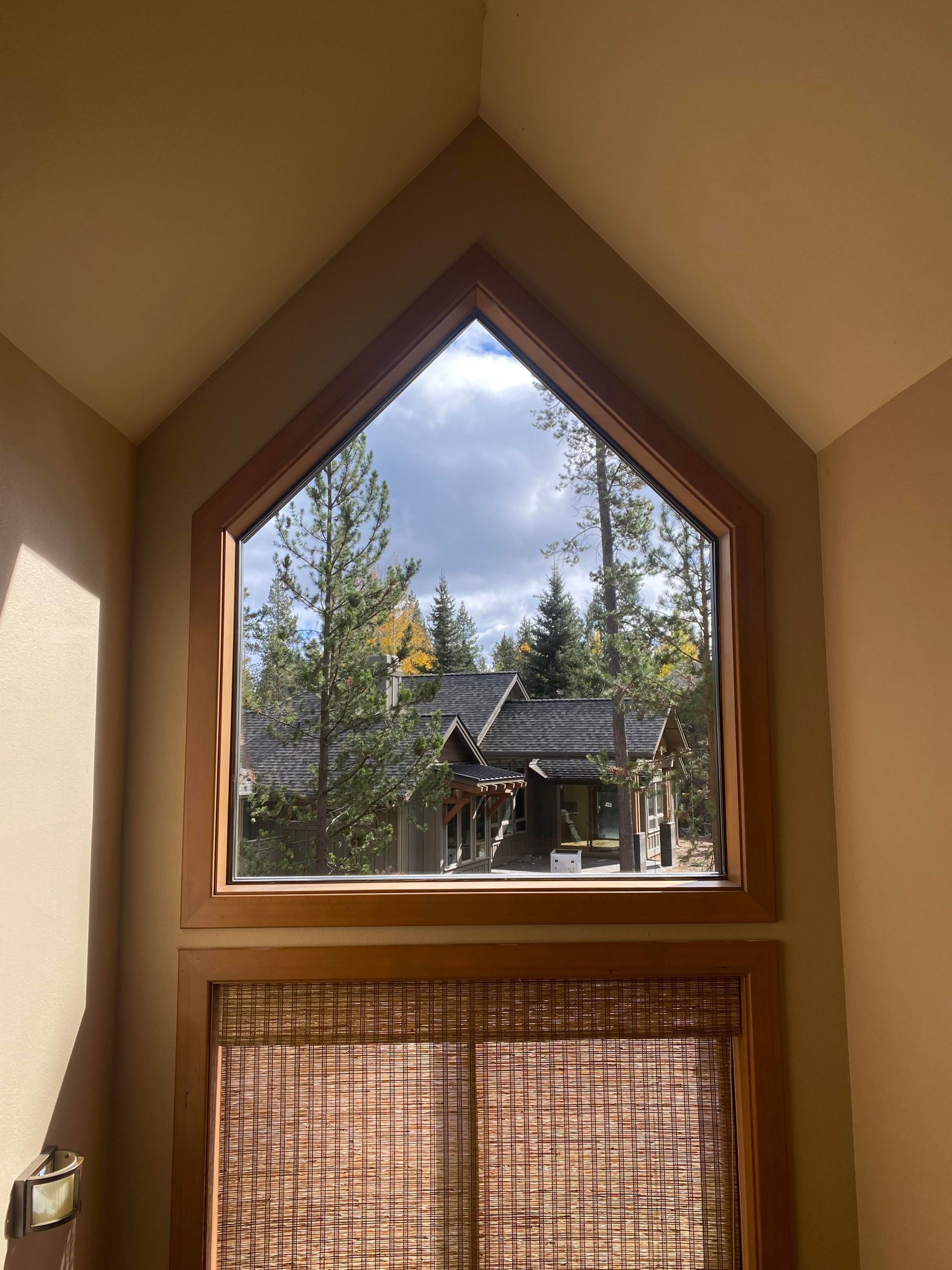
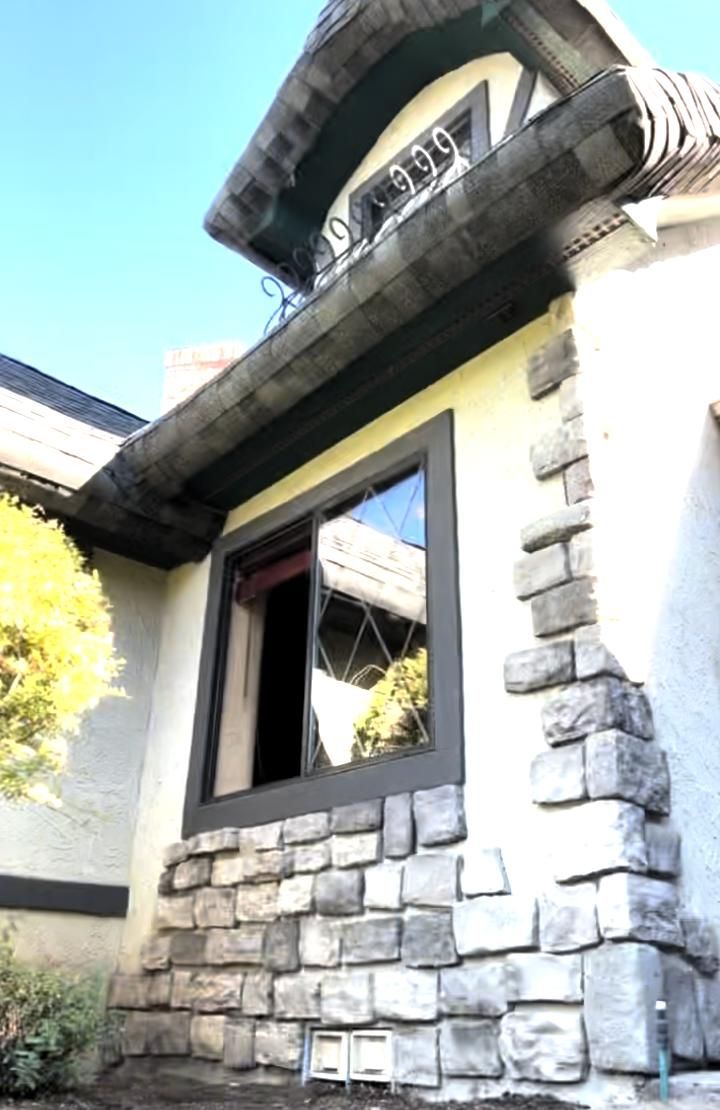
By replacing the entire window assembly, we can repair any structural damage, insulate the opening, and install new windows that are perfectly sealed, aligned, and built to last.
10+
Years of
experience
Vinyl or Fiberglass: Which Frame Fits?
Last updated: October 2026
For most Central Oregon homes, vinyl wins on price and fiberglass wins on durability. Fiberglass frames barely expand or contract with our big temperature swings, hold paint well in strong high desert sun, and allow slimmer sightlines. Vinyl costs less and insulates well, which makes it a smart pick for tighter budgets and standard window sizes.
Glass Daddy Redmond installs both materials for homeowners in Redmond, Sisters, and Prineville, so we have no reason to push you toward one or the other. What follows is the plain version of how each frame behaves on a house at 3,000 feet or higher, where a July afternoon and the following dawn can feel like different seasons. If you are planning afull frame window replacement in Redmond, OR, the frame material is one of the first decisions you will make, and it is worth making on purpose.
-
![Electrical Install at Office]()
-
![Electrical Install at Open space]()
-
![A graphic showing a stylized yellow, circular sun face with wavy rays against a dark blue background.]()
Recent Projects
INSTANT ESTIMATEEvery project comes with its own needs and challenges. Tell us your priorities, and we'll fill them to your satisfaction.
-
![Electrical Install at Appartment]()


Vinyl vs Fiberglass at a Glance
Vinyl is extruded PVC with hollow chambers, usually the lowest priced frame on the market. Fiberglass is glass fibers set in resin, which makes it stiffer and more stable in heat and cold, and it usually costs more. Both can carry identical Low E glass, so the frame mostly decides durability, color, looks, and price.
Here is the short comparison before we get into the details:
- Vinyl: lowest upfront cost, welded corners, good insulation from its hollow chambers, factory color in a limited palette, and a frame that moves noticeably with temperature.
- Fiberglass: higher upfront cost, very stable size, thin and strong frame members, paintable in nearly any color, and a long service life in harsh sun.
- Both: available as double pane or triple pane, with Low E coatings, argon fill, and warm edge spacers, in single hung, slider, casement, picture, and fixed shapes.
- Neither: a cure for a poor installation. Flashing, sealant, and shimming decide whether a window leaks air or water, whatever the frame is made of.
If you want the glass side of the story, our guide to energy efficient glass and window options covers coatings, gas fills, and NFRC ratings in depth. This page stays focused on the frame.
How Central Oregon Temperature Swings and Sun Affect Window Frames
Every frame material grows when it heats up and shrinks when it cools down. Vinyl moves several times more than glass, while fiberglass moves almost exactly as much as glass does. In the high desert, where afternoon and overnight temperatures can differ by 30 degrees or more, that difference decides how well seals and corners age.
Expansion and Contraction Explained
Picture a three foot wide window with a dark frame on a west wall in August. By late afternoon the frame surface can be far hotter than the air around it. By dawn it may be sitting near freezing in the shoulder seasons. Vinyl responds to that cycle by growing and shrinking along its length, while the glass inside it barely changes size. That mismatch puts constant, tiny stress on the sealant, the corner welds, and the insulated glass unit seal.
Fiberglass behaves differently because its glass fibers give it an expansion rate very close to the glass it holds. The frame and the glass move together, so there is less tugging at the seals. This is the single biggest technical reason builders in cold, high elevation climates talk up fiberglass.
None of this means vinyl fails in Central Oregon. Well made vinyl windows have plenty of room to flex, and quality manufacturers design for it with welded corners, reinforced chambers, and slotted installation fins. What it does mean is that cheap vinyl, large vinyl units, and dark colored vinyl are where problems tend to show up first: sashes that get stiff to operate, small gaps at the corners, and seal failures that appear as fog between the panes.
What UV Exposure Does at Elevation
The air is thinner at our elevation, so the sun reaches a house with less filtering. Over years, ultraviolet light chalks and fades some plastics and breaks down weak finishes. Vinyl made with good UV stabilizers holds up, but the frame color you see is mixed through the material or applied as a thin layer, and sun exposure on south and west walls is where fading and surface chalking appear first on lower grade products.
Fiberglass uses a different approach. The frame is a tough composite, and the color usually comes from a factory finish similar to what you would find on a quality entry door. That finish can be refreshed with paint years down the road if it ever dulls, which is a real advantage on a house that gets full sun all afternoon.
If you have a home on open ground near Redmond or Prineville with little shade, give extra weight to UV performance. If your house is tucked into pines near Sisters or sits on a shaded Redmond lot, the sun load on the frames is lower and the material choice can lean more toward budget.
Strength, Sightlines, and Big Glass
Fiberglass is stiffer than vinyl, so a fiberglass frame can be thinner and still carry a large pane of glass. That means more glass and less frame in the opening. Vinyl frames are wider and bulkier by comparison, and large vinyl units usually need internal reinforcement to stay straight.
Slim Sightlines and Views
Central Oregon homes are often built around a view of the Cascades, a canyon, or open juniper country. People in those homes tend to want the biggest, cleanest windows they can fit. Because fiberglass frame members can be slimmer, they let more daylight and more scenery through the same rough opening. For a large picture window, a wide slider, or a bank of casements facing the mountains, the difference in frame width is easy to see.
Strength for Large Openings and Operating Windows
Stiffness also affects how a window works over time. A large vinyl sash can sag slightly or rack out of square as it ages, especially if it is heavy and exposed to heat. Fiberglass sashes hold their shape, so they tend to open and lock smoothly for longer. In casement and awning styles, where the sash hangs on hinges, that rigidity matters more.
Snow load and wind also play a part. Our winters bring heavy snow to Sisters and Redmond, and spring and fall wind can push hard on large panes. A stiffer frame supports the glass better under those loads. For standard sized windows in a sheltered bedroom, vinyl is plenty strong.
Color and Paint Options
Vinyl comes in a limited set of colors, and most of them are lighter shades. Fiberglass can be factory finished in a much wider palette, including deep browns, charcoals, and black, and it can also be painted on site to match changes in your trim. If you want dark frames, fiberglass is the safer choice.
Why Dark Colors Are Tricky on Vinyl
Dark surfaces absorb more heat from the sun. On vinyl, that extra heat increases expansion and can warp the frame if the product is not engineered for it. Some manufacturers offer dark vinyl using special laminates or heat reflective pigments, and those can work, but you should ask for the specific product information and the warranty terms before you commit. White, tan, and other light colors are the low risk options for vinyl.
Paint, Stain, and Wood Look Finishes
Fiberglass accepts paint well, and many lines offer a woodgrain texture that can be stained, so you can get the look of wood without the upkeep. That is a popular choice for craftsman style homes, mountain contemporary builds, and any house where the windows are meant to look like part of the architecture instead of a plastic add on.
If your home has dark trim, a metal roof, or black fixtures, matching those tones with fiberglass windows often gives a cleaner result. If your home has beige siding and white trim, which describes a lot of Redmond subdivisions, white vinyl blends in and keeps costs down.
Insulation and Comfort: Frame Versus Glass
Most of a window's insulating power comes from the glass package, not the frame. Both vinyl and fiberglass frames insulate far better than aluminum without a thermal break. Vinyl has hollow chambers that trap air, and some fiberglass frames can be filled with insulating foam. In real homes, the two end up very close.
Here is how to think about it:
- The glass package, meaning the Low E coating, the gas fill, and the spacer, usually has a larger effect on the rated U factor than the frame material does.
- Frame stability matters for air leakage. A frame that holds its shape keeps weatherstripping compressed evenly, which helps over the long run.
- Installation quality matters as much as either one. Gaps around the frame, missing flashing, and poor insulation in the cavity lose more heat than a frame upgrade can save.
For winter comfort in Redmond or Sisters, where nights stay cold for months, ask for the NFRC label on any window you consider and compare the U factor and air leakage numbers side by side. We explain how to read that label on our page aboutenergy efficient windows for Redmond, OR, and the U.S. Department of Energy also publishes plain language guidance on window selection atenergy.gov, and ENERGY STAR lists qualifying products and climate zone criteria atenergystar.gov.
Lifespan and Maintenance
Fiberglass windows commonly last longer than vinyl in harsh climates, often 30 to 50 years, while good vinyl windows commonly last 20 to 40 years. These are general industry ranges, not promises, and real life depends on installation, sun exposure, and the quality of the product.
Maintenance You Can Expect
Both materials are low maintenance compared with wood. You wash them with mild soap and water, rinse off dust, and keep the weep holes and tracks clear. Central Oregon has fine dust, pollen, and the occasional wildfire smoke season, so tracks and sills collect grit. A soft brush and a rinse a couple of times a year keeps sliders moving well.
Hard water is another local factor. If sprinklers hit your windows, mineral spots build up on glass and frames. Wipe them early, because baked on minerals are harder to remove later.
Where Each Material Shows Age
Vinyl tends to show age in its hardware, its color, and its seals. Fiberglass tends to show age in its finish, which can be repainted. Wood shows age in rot and peeling. When you compare a 20 year view, fiberglass usually looks closest to new, and vinyl is the practical choice when you want a good result for less money and may not stay in the home that long.
Warranty terms differ by manufacturer, so we recommend reading the actual paperwork for glass, frame, and hardware coverage before you sign. We do not make up coverage on anyone's behalf, and we will walk you through the real documents for any product we quote.
Vinyl vs Fiberglass Cost in Central Oregon
Typical installed pricing in Central Oregon runs roughly $600 to $2,500 per window for vinyl and about $900 to $3,500 per window for fiberglass, depending on size, style, glass options, and whether the job is a full frame replacement. These are typical estimates, and the final price is set after an in home measure.
What Moves the Price
Several things push a quote up or down, and the frame material is only one of them:
- Window size and style. Large picture windows and wide sliders cost more than a small single hung. Casements usually cost more than sliders.
- Glass package. Triple pane, laminated glass, and specialty coatings add cost.
- Full frame versus insert. A full frame job includes new trim, flashing, and often siding or stucco repair, which adds labor but fixes the opening itself. Our comparison of full frame vs insert windows in Redmond explains when each approach makes sense.
- Access. Second story windows, steep grades, and snow in winter can add time.
- Color. Dark or custom colors cost more on either material.
For a broader look at what a whole house project costs, see our window replacement cost breakdown for Redmond homeowners .
Want real numbers for your house? Call (541) 527-7080 or request a free estimate and we will measure, talk through both materials, and give you written pricing for each.
Is Fiberglass Worth the Extra Money?
It depends on the house. If you plan to stay for 15 years or more, if your windows face the afternoon sun, if you want dark frames, or if you have large openings, fiberglass often earns back its premium in durability and looks. If you are replacing windows in a rental, preparing a house for sale, or working with a tight budget, vinyl gives you most of the benefit for less.
Wood, Aluminum, and Composite Frames in Brief
Wood is beautiful but needs regular finishing, aluminum conducts heat and needs a thermal break, and composite frames blend wood fiber and polymer for a stable, paintable option. For most Central Oregon replacement projects, vinyl and fiberglass are the practical choices, and the other three fill special roles.
- Wood: Warm and traditional, and a fit for older homes with historic character. Wood needs painting or staining on a schedule, and exposure to strong sun and winter moisture can wear finishes quickly. Many people choose wood clad products, with wood inside and a durable cladding outside.
- Aluminum: Strong and slim, and common in older ranch homes and commercial storefronts. Without a thermal break, aluminum conducts cold into the room and can collect condensation in winter. Modern thermally broken aluminum performs far better but costs more.
- Composite: Made from wood fibers and polymers, composite frames are stable and can be painted, and they sit between vinyl and fiberglass on price in many product lines.
If you have an older home with original aluminum sliders and want a quick upgrade, moving to vinyl or fiberglass with Low E glass is one of the largest comfort improvements available. If your property includes a shop, an office, or a storefront, our team can also talk through options for commercial openings at our commercial glass page .
Which Frame Fits Which Central Oregon Home
Choose fiberglass for sun exposed, view oriented, or dark framed homes you plan to keep for a long time. Choose vinyl for budget conscious projects, standard sized openings, shaded lots, and rentals. The right answer shifts from room to room, and many homeowners mix materials on one house.
Older Ranch Homes in Redmond and Prineville
Many older ranch style homes have aluminum or early vinyl windows with failing seals and drafty frames. For these, a full frame replacement with white vinyl is a common and sensible upgrade, since it brings a big comfort gain at a reasonable price. If the house has a large front picture window facing the sun, upgrading just that opening to fiberglass is a smart place to spend extra.
Newer Subdivision Homes in Redmond
Newer homes often come with builder grade vinyl windows. If those are holding up, you may not need to replace them. If they are not, white or tan vinyl will match the existing look, and fiberglass is worth considering when you want better durability or a darker color scheme.
Custom and View Homes Around Sisters and Redmond
Homes with large glass walls, timber details, or mountain contemporary design are where fiberglass shines. The thin frames, the color range, and the long term stability make sense on a house where windows are a major design feature and where snow and wind load are real factors.
Homes With Mixed Needs
If you have a shaded bedroom wing and a sunny great room, consider vinyl for the first and fiberglass for the second. This split keeps the budget in check and puts the stronger material where it is most useful. You can see examples of finished work on ourrecent window and glass projectspage, and we serve homeowners acrossRedmond and the surrounding area.
How Our Window Replacement Process Works
A typical replacement with Glass Daddy Redmond moves from a consultation to a final walkthrough in five steps, and most projects take several weeks from approval to installation because windows are made to order. The sequence below is what to expect.
- Consultation. We talk through your goals, your budget, and which rooms bother you most, then discuss vinyl, fiberglass, and glass options in plain terms.
- Measurement. We measure every opening in person, check the condition of the framing and the exterior, and note anything that affects the choice of full frame or insert.
- Ordering and fabrication. You approve a written quote, and your windows are ordered to size. Lead times usually run a few weeks and vary by product and season.
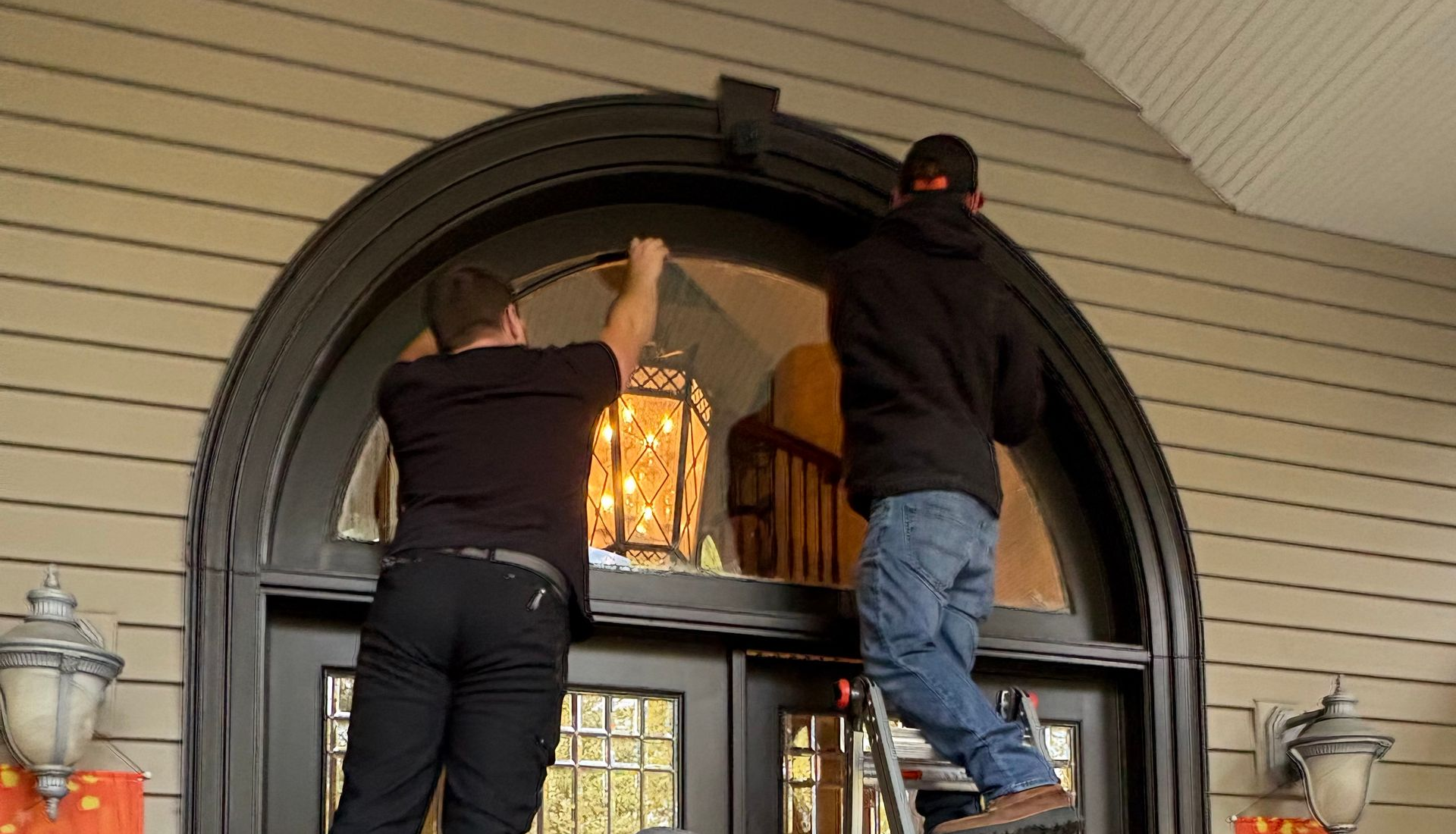
- Installation. Our crew removes the old windows, repairs and flashes the opening, sets the new units level and plumb, insulates the gap, seals the exterior, and finishes the interior trim.
- Final walkthrough. We operate each window with you, check locks and screens, clean the glass, and answer care questions before we call the job done.
Our broader residential glass replacement services cover related work, such as patio doors and sidelights, that homeowners often fold into the same project.
Get a Frame Recommendation for Your Home
The fastest way to settle vinyl vs fiberglass is to have someone look at your actual windows, your sun exposure, and your budget. Glass Daddy Redmond serves Redmond, Sisters, Prineville, and the surrounding high desert. Call (541) 527-7080 orget your free window estimateand we will bring samples and written pricing for both materials.
If you are also thinking about a bathroom upgrade this year, our team handlesframeless shower door installationas well, and we can often coordinate both projects with one conversation.
What our customers have to say...
Testimonials
Frequently Asked Questions
These are the questions we hear most from Redmond homeowners about vinyl and fiberglass windows. For answers on mirrors, doors and other glass, see ourglass FAQ for Central Oregon homes.
Are fiberglass windows better than vinyl windows?
Fiberglass is stronger, more stable in temperature swings, and takes paint, so it generally outperforms vinyl on durability and looks. Vinyl costs less and still insulates well. Better depends on your budget, your sun exposure, window sizes, and how long you plan to stay in the house, which is why we compare both on site.
Do vinyl windows warp in high desert heat?
Quality vinyl windows in light colors generally hold up in Central Oregon. Warping risk rises with dark colors, very large units, and cheap products, because vinyl expands more than glass and absorbs more heat when dark. If you want dark frames or a big sun facing opening, fiberglass is the lower risk option.
How long do fiberglass and vinyl windows last?
Fiberglass windows commonly last 30 to 50 years, and good vinyl windows commonly last 20 to 40 years. Those are general industry ranges. Installation quality, sun exposure, hardware, and the glass seal all affect real life results, and coverage differs by manufacturer, so read the written warranty on any window you buy.
Can fiberglass windows be painted?
Yes. Fiberglass takes paint well, and many lines come with a factory finish that you can repaint later to change your color scheme or refresh a faded surface. Vinyl is much more limited, and painting it is generally discouraged because dark paint can cause heat buildup and the finish may not hold.
Which window frame is most energy efficient?
Vinyl and fiberglass perform very similarly, because most of a window's efficiency comes from the glass package, meaning the Low E coating, gas fill, and spacer. Frame stability and installation quality also affect air leakage. Compare the NFRC label on specific products instead of assuming one material always wins.
Is fiberglass worth the extra cost in Central Oregon?
Often, yes, for homes with sun exposed walls, large openings, dark colors, or a long planned stay. The extra cost buys stability and a long finish life. For shaded, small, or budget driven projects, vinyl usually delivers better value. We give you written pricing for both so you can decide.
How much do vinyl and fiberglass windows cost in Redmond?
Typical installed prices run about $600 to $2,500 per window for vinyl and $900 to $3,500 for fiberglass, with size, style, glass package, and full frame work changing the total. These are estimates, and we set the final price after an in home measure and a written quote.
Should I replace all my windows at once or in phases?
Replacing everything at once usually saves on labor and gives a consistent look, but phasing works if budget is tight. Start with the worst performing or most sun exposed windows, and keep the same frame material and color across phases so the house does not look patchy. We can plan stages with you.
Get In Touch With Glass Daddy Redmond
Ready to replace your windows? Call (541) 527-7080 or request your free estimate today and we will schedule your in-home measure.